In this article
An evergreen funnel gets people into your pitch every day. An evergreen sales funnel is what happens once they’re there.
Most solo creators build the delivery mechanism first: the automated webinar, the email sequence, the individual deadline timer. Then they bolt one product onto the end and wonder why revenue per visitor stays flat. The mechanism was never the bottleneck. The offer stack behind it was. Here’s how to build a sales path that earns more from the same traffic, not just more traffic through the same single offer.
Before You Start Fixing
You need a running evergreen mechanism before this guide is useful. This is not about how to automate delivery. It’s about what you sell once delivery is automated.
- You already have an evergreen mechanism live — an automated webinar, evergreen email sequence, or scheduled tripwire. If you don’t, build that first with the evergreen funnel guide.
- You have one proven core offer. This guide adds a stack around a product that already sells, not a plan to invent new products.
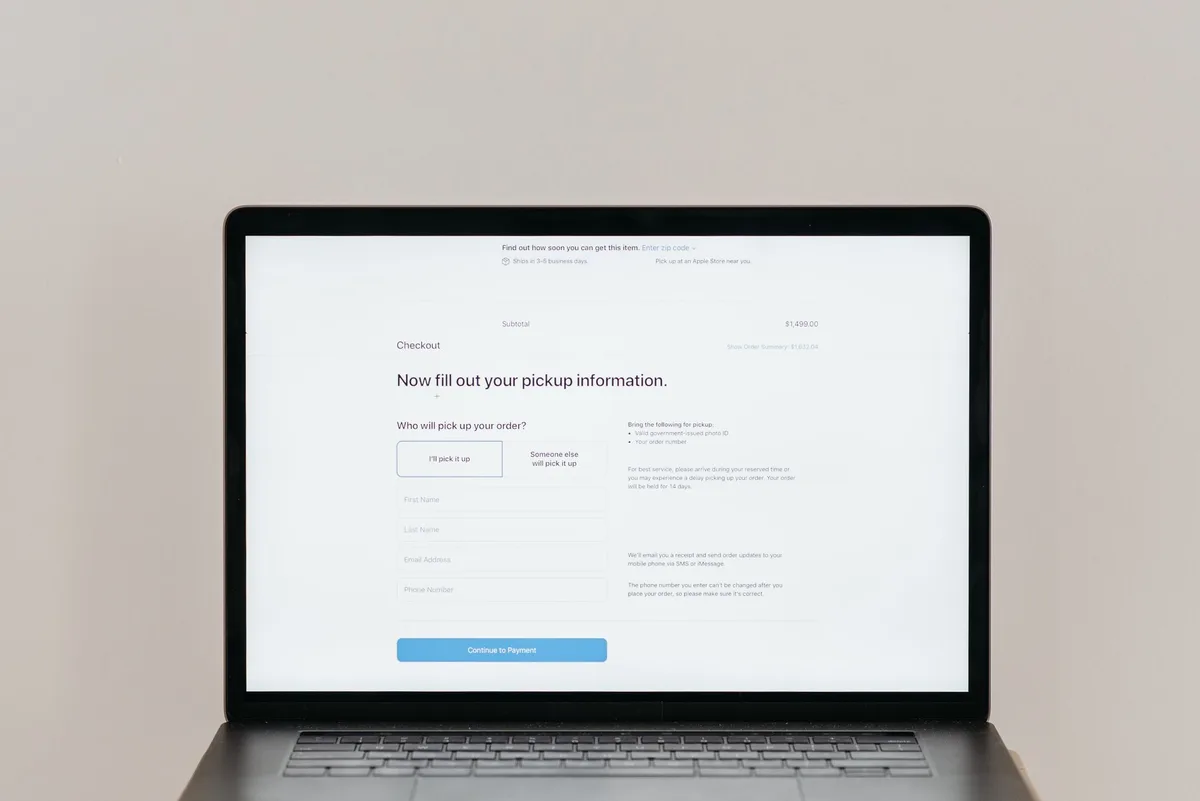
- Your checkout tool supports order bumps or a second offer at purchase. Not every checkout does — check before you plan a stack you can’t actually build.
- You know your current revenue per visitor, not just conversion rate. That’s the number this guide moves.
- You’ve set aside a full sales cycle (4+ weeks) before judging results. A stack change needs volume through it to read cleanly.
If you’re still deciding between a webinar, email sequence, or tripwire as your delivery mechanism, that decision happens in the evergreen funnel guide, not here.
Step 1: Map Your Sales Path Stage by Stage
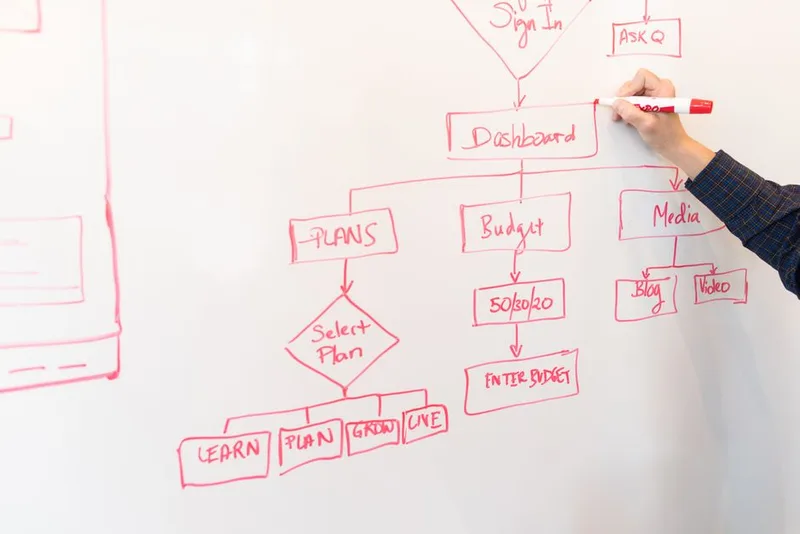
Before you add anything, write down what a buyer actually sees, in order. Most solo creators can describe their delivery mechanism (webinar, email 1 through 5) but cannot describe their sales path (what’s for sale, at what price, in what sequence).
A minimal evergreen sales path has four stages:
| Stage | Purpose | Typical price range |
|---|---|---|
| Entry offer | Gets a stranger to become a buyer, lowers the trust bar | $0–$47 |
| Core offer | The main product, where most of your revenue comes from | $97–$997 |
| Order bump or upsell | Adds to the same purchase or the next screen, same buyer | $19–$197 |
| Downsell | Recovers buyers who decline the core offer at full price | 30–50% off core, or a lite version |
Not every funnel needs all four. A single-product creator might run entry offer straight to core offer with no bump. The point of mapping it out is seeing where you currently have nothing after the sale closes. That gap is the first thing to fix, because it’s the cheapest revenue to add. You already paid for the traffic and the trust-building. An order bump or upsell captures more from a buyer who is already reaching for their card.
Step 2: Price the Stack for Continuous Buyers, Not Launch-Day Urgency
Live launches use scarcity that’s real: the cart actually closes on a date. An evergreen sales funnel runs every day, so a banner that says “50% off, today only” is either a lie repeated to every visitor or it trains buyers to wait for the discount to reappear tomorrow. Either way it erodes trust in the price you’re actually asking people to pay.
Price the core offer at what you’d charge if there were no discount to hide behind. Then use the order bump and upsell to create real, honest value stacking instead of fake urgency:
- Anchor the core offer at full price. If your live-launch price was $297 with a “flash sale” gimmick, the evergreen price is $297, full stop.
- Make the order bump a genuine add-on, not a discount on the same thing. “Add the templates pack for $27” beats “$47 off if you buy in the next 10 minutes.”
- Use an honest individual deadline for urgency, not a site-wide countdown. If your delivery mechanism already has one (see the evergreen funnel guide), tie the offer stack’s pricing to that same window instead of inventing a second, unrelated deadline.
According to Baymard Institute’s checkout research, inconsistent or seemingly fake pricing signals are one of the top trust-killers at checkout. A buyer who catches one dishonest urgency claim starts questioning the rest of the page.
Step 3: Add One Order Bump and One Upsell to Lift Revenue Per Visitor
This is the highest-leverage step in this guide, and most solo creators skip it because it feels like “extra work” on a funnel that’s already automated. It isn’t extra work. It’s a one-time build that pays out on every sale afterward.
Order bump (shown at checkout, added to the same purchase):
- Keep it related to the core offer, not random. A templates pack, a checklist, a private community add-on.
- Price it low enough that saying yes is a reflex, not a decision. $17–$37 works for most solo creator price points.
- One checkbox, pre-selected or not, clearly priced. Don’t make the buyer hunt for what it costs.
Upsell (shown on the very next screen, after the purchase completes):
- This is where a $50–$200 add-on lives, priced higher than the order bump because the buyer has already committed.
- Frame it as “since you just bought X, here’s the next problem you’ll hit” — not a generic “you might also like.”
- Give a real decline path (a visible “no thanks” link), not a maze designed to trap a yes.
Checkout tools built for creators handle this differently. Lemon Squeezy supports order bumps natively at checkout; some simpler tools require a workaround or a second product page. Confirm your checkout tool can actually do this before you design the stack around it.
Not sure your funnel even needs a sales stack yet? The Solo Funnel Blueprint is a free 15-minute diagnostic that maps every stage of your current funnel and tells you which one to fix first. Free. No pitch.
Step 4: Replace Live Social Proof With an Evergreen Proof System
A live launch has a visible cohort: people posting in a Facebook group, comments rolling in during the webinar, a shared sense that “everyone else is buying too.” Evergreen traffic never sees that. Each visitor arrives alone, on their own timeline, with no crowd to signal that this offer is real and working.
Replace the missing crowd with proof that doesn’t expire:
- Rotate testimonials, don’t freeze one. A single testimonial from your launch goes stale fast. Pull 4–6 and rotate them so returning visitors see something fresh.
- Show specific results, not vague praise. “Went from 2 sales to 11 in one month” beats “This course changed everything!”
- Add a recent-activity signal if your checkout tool supports it — a simple “3 people bought this in the last 24 hours” line, only if it’s true. A fake one is worse than none.
- Put your strongest proof point above the fold, not buried after three paragraphs of story. Cold evergreen traffic decides whether to keep reading in the first few seconds.
This matters more here than on a live sales page, because on evergreen traffic the proof system is the only thing standing in for the crowd.
Step 5: Build a Cart-Abandonment Recovery Sequence
A live launch has one shot: the cart closes and that’s it. An evergreen sales funnel runs every day, which means every abandoned checkout is a recoverable sale, not a lost one. Most solo creators never build this because it feels like a “big company” feature. It’s usually three emails.
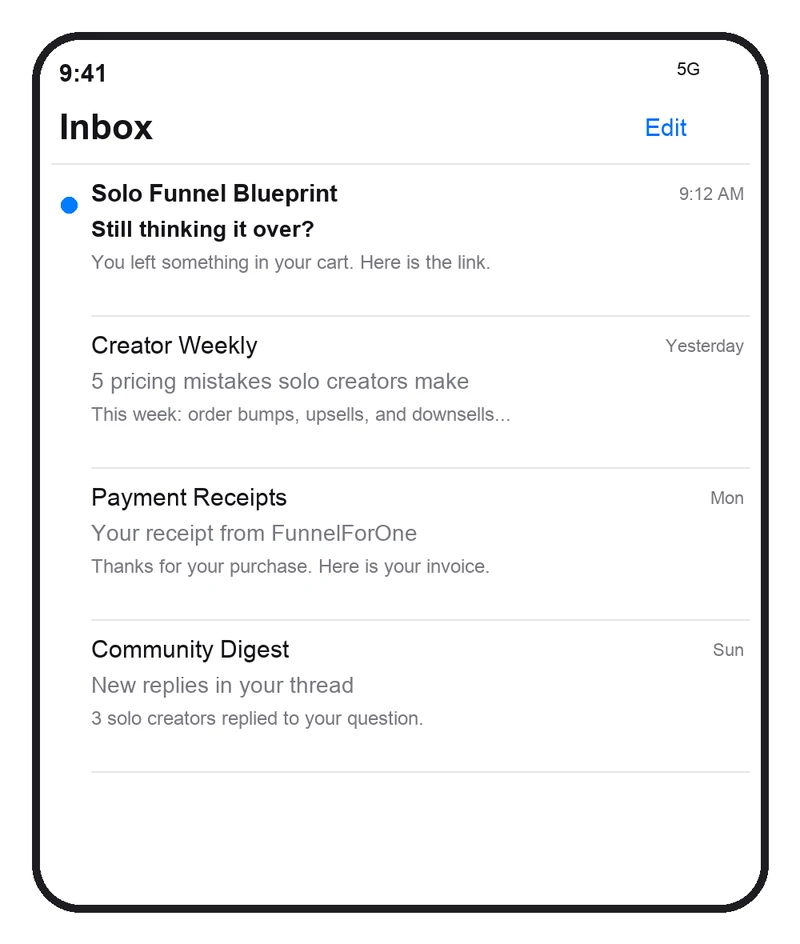
- 1 hour after abandonment: A plain reminder. No discount. “Looks like you didn’t finish checking out, here’s the link.”
- 24 hours after abandonment: Address the most common objection for your offer directly (price, fit, timing). Answer it in one paragraph.
- 72 hours after abandonment: A genuine last-chance nudge, tied to the same individual deadline your delivery mechanism already uses if it has one. Don’t invent a new discount here either.
Campaign Monitor’s benchmarks show abandonment sequences recovering a meaningful share of otherwise-lost checkouts when they stay short and specific rather than generic. Three focused emails beat a long drip that repeats the same pitch five times.
Step 6: Track the Sales KPIs That Actually Move
Conversion rate alone hides what’s happening in your stack. Two funnels can have the same conversion rate and wildly different revenue per visitor, depending on whether the order bump and upsell are pulling their weight.
Track these monthly, not just conversion rate:
| Metric | What it tells you | Where to check it |
|---|---|---|
| Average order value (AOV) | Whether the order bump and upsell are working | Your checkout tool’s dashboard |
| Order bump take rate | Whether the bump offer is priced or framed right | Checkout tool, per-product report |
| Upsell take rate | Whether the post-purchase offer is relevant enough | Checkout tool, per-product report |
| Refund rate by stage | Whether a specific offer in the stack is mismatched to expectations | Payment processor |
| Cart-abandonment recovery rate | Whether the recovery sequence is earning its keep | Email platform automation report |
Review this once a month, not daily. Evergreen funnels need volume to produce a readable pattern, and a single slow week means less than a full month’s trend. If AOV is flat for three straight months, revisit the order bump before you touch anything upstream in the funnel.

Frequently Asked Questions
What is an evergreen sales funnel?
An evergreen sales funnel is the offer stack (entry offer, core offer, order bump, upsell, downsell) that runs behind an automated, always-on delivery mechanism. It’s the “what’s for sale and in what sequence” layer, separate from the automation that gets people to see it in the first place.
What’s the difference between an evergreen funnel and an evergreen sales funnel?
An evergreen funnel is the delivery mechanism: the automated webinar, email sequence, or scheduled tripwire that runs continuously. An evergreen sales funnel is the offer stack inside it: the specific products, prices, and upsells a buyer moves through once they’re in the mechanism.
How many offers should be in an evergreen sales funnel stack?
Most solo creators need three: a core offer, one order bump at checkout, and one upsell on the next screen. A downsell is a fourth layer worth adding once the first three are proven, not before. More offers than that usually adds friction without adding revenue.
Do evergreen sales funnels need urgency or scarcity?
They need an honest reason to buy now, tied to an individual deadline based on each buyer’s own signup or checkout time, not a fake site-wide countdown. Real urgency (a genuine deadline you enforce) works. Fabricated urgency erodes trust once a repeat visitor notices the timer never actually expires.
What’s a realistic AOV lift from adding an order bump?
There’s no single number that holds across offers. A cheap, closely-related add-on tends to get taken more often than an expensive or loosely-related one, but the exact cutoff differs by price point and audience. Track your own take rate for at least a month before assuming a number from someone else’s funnel applies to yours.
Keep Reading
What to Do Next
Choose the path that fits where you are right now.
Get the Free Solo Funnel Diagnostic
Get the free Solo Funnel Diagnostic. 12 diagnostic questions. Scored in 10 minutes. Tells you exactly which stage is broken and what to fix first.
Send Me the Diagnostic